February 27, 2026
Snow plows are essential for keeping roads safe during winter. Proper inspection and maintenance of their blades are crucial to ensure optimal performance and longevity, especially when facing extreme ice. Neglecting these components often leads to costly snow plow repair needs that could've been easily avoided with a proactive approach and high-quality parts.
Selecting Your Optimal Blade Type
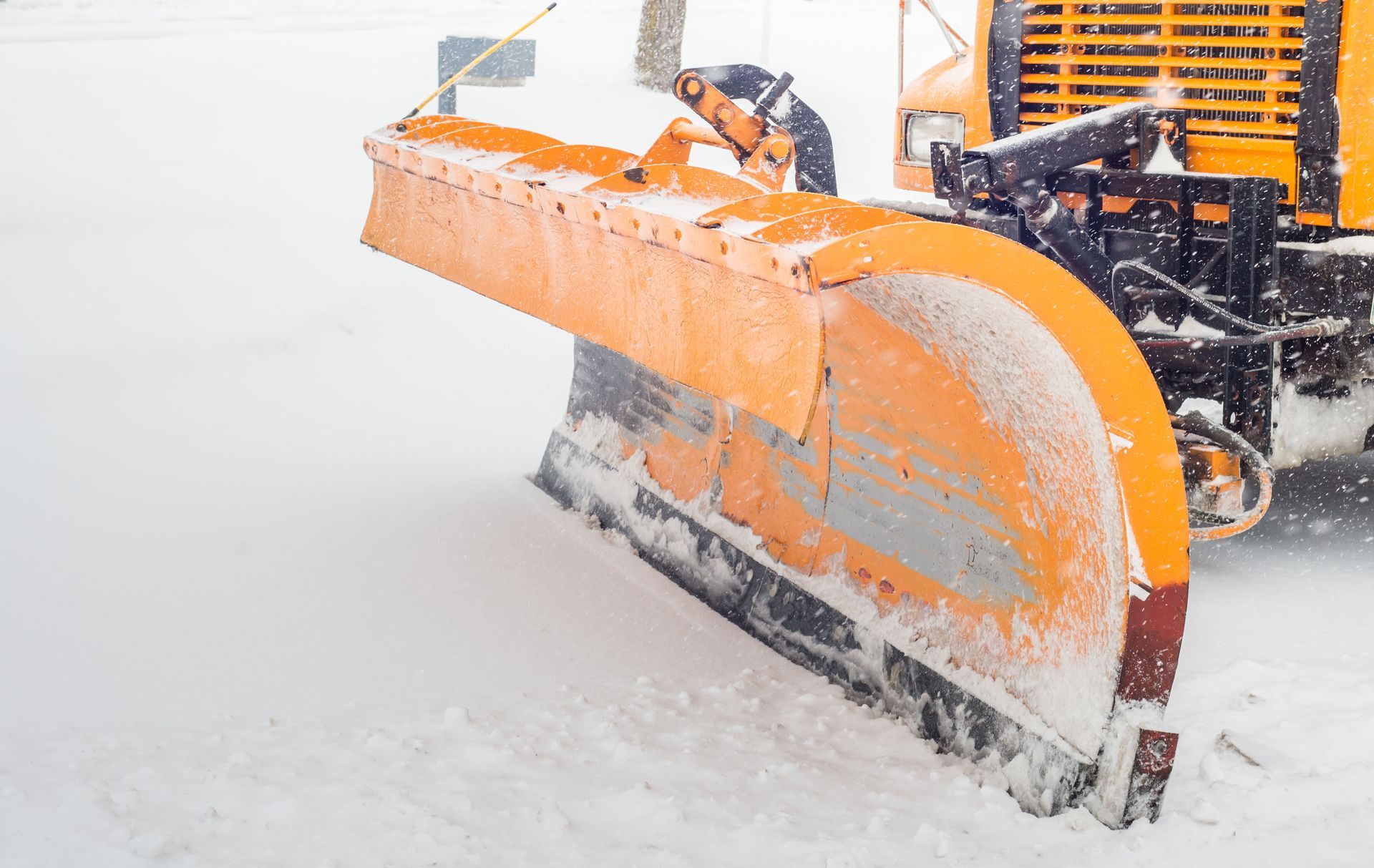
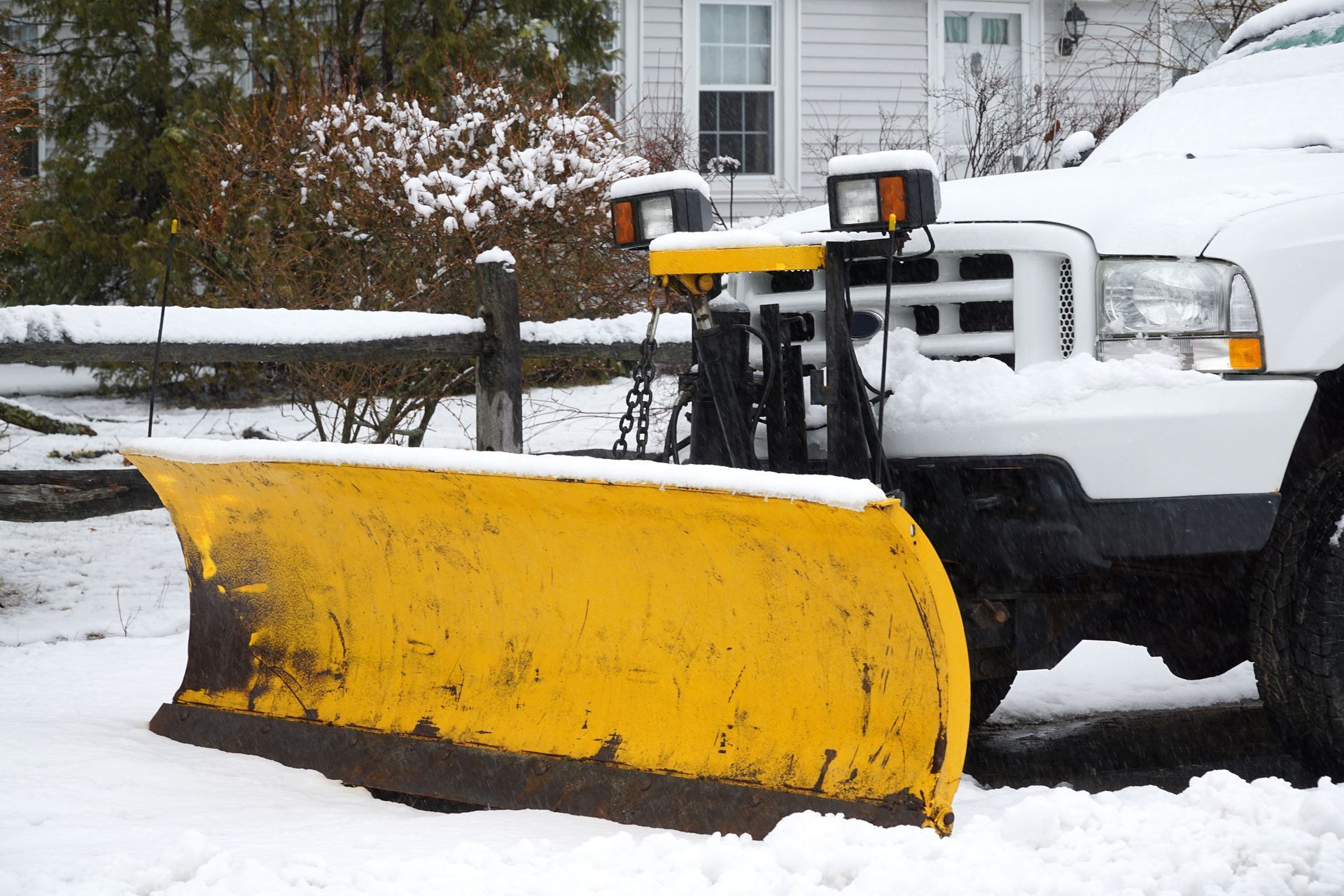
Snow plow blades come in various types, each offering unique advantages and disadvantages. Understanding these types helps operators make informed decisions regarding their plow systems. If you encounter structural damage while choosing the right fit, professional snow plow repair can help restore your equipment's integrity. Steel blades are commonly used due to their durability and strength. Known for their ability to handle the toughest conditions, steel blades can manage heavy snow and ice with efficiency. Their downside lies in their weight, which can lead to quicker wear on plow trucks and less flexibility when navigating uneven surfaces.
Polyurethane blades present an alternative for those seeking lighter options. These blades often provide enhanced flexibility, which aids in adapting to varying terrain and surface obstacles. While they may not match the sheer strength of steel blades, they're less likely to cause damage to road surfaces. Additionally, polyurethane blades generally produce less noise during operation. Hence, they're often favored in residential or urban settings.
Carbide blades are designed for longevity and sustained performance. They incorporate a robust carbide cutting edge, ensuring they maintain sharpness over extended use. Often combined with steel, carbide-edged blades offer a balance of durability and cutting efficiency. They're an excellent choice for operators who prioritize time between replacements and maintenance costs. Composite blades, another alternative, utilize combinations of materials like stainless steel and polymers to enhance performance while minimizing weight.
Executing a Pre-Season Inspection
Before winter arrives, conducting a pre-season inspection of snow plow blades ensures preparedness for impending snowfalls. A meticulous visual inspection detects bends, cracks, or any noticeable abnormalities that could impact performance. By identifying potential issues early, operators can implement preventative measures, thereby avoiding breakdowns during critical operations. If your inspection reveals deep cracks or failing welds, seeking an expert snow plow repair service is the best way to ensure safety. Documenting these inspections forms part of a robust maintenance record, proving invaluable in future technical assessments.
Ensuring the structural integrity of the plow blade is another critical step in pre-season preparation. Areas of concern often include signs of metal fatigue, weld failures, or compromise in material quality. Incorporating a thorough examination of all mounting hardware is equally essential, as any misalignment or looseness could lead to operational inefficiencies. You should check for appropriate tension levels in all fixtures and connections.
Assessing blade wear and tear involves evaluating the cutting edge's condition. According to United Rotary Brush Corporation, sustaining the sharp edge of your snow plow is vital for achieving maximum efficiency during operation. This assessment should also cover any deformation in the blade that might affect its cutting efficiency. The mounting inspection process must include checking for rust, which could deteriorate the hardware's integrity. Documenting condition reports ensures that records reflect the equipment's historical and current status accurately.
Performing Routine Maintenance Practices
Consistent routine maintenance safeguards the snow plow blades against the rigors of winter use. First, regular cleaning prevents debris accumulation and removes salts, which could lead to corrosion. Using mild detergents and water in combination with a soft brush effectively clears surface contaminants. By maintaining cleanliness, operators significantly reduce corrosion risk, leading to increased longevity. When standard maintenance isn't enough to stop the spread of rust, a comprehensive snow plow repair may be necessary to resurface the blade.
The lubrication of moving parts can't be ignored in effective maintenance. Each articulated joint, hinge, and connection point should receive appropriate lubrication to reduce friction and hinder rust formation. Regular lubrication ensures that components move smoothly without exerting unnecessary strain on the plow system. For the best results, selecting high-quality lubricants designed for cold temperatures can prevent freezing and enhance performance.
Tightening and adjusting bolts regularly prevents failures in blade attachment, which could arise due to constant operation. Loose bolts can cause misalignment, affecting the blade’s cutting efficiency and putting extra stress on mounting assemblies. Frequent checks ensure that all bolts are at the required torque levels, preventing operational instability. Sharp blade edges are pivotal for effective snow removal; hence, operators should perform blade edge sharpening as needed.
Troubleshooting Common Blade Issues
Several common issues can arise during the lifespan of snow plow blades, necessitating immediate troubleshooting. Uneven wear on blades indicates either operational misuse or underlying imbalances in pressure distribution across the blade. Operators should inspect for accurate plow leveling and adjust any disparities to ensure even pressure application. For more complex mechanical failures or hydraulic leaks, a professional snow plow repair technician can diagnose the root cause quickly.
Rust and corrosion are persistent issues due to blades' constant exposure to moisture and salts. Protective measures, such as regular application of anti-corrosive sprays and immediate cleaning after use, mitigate these effects. Operators should also inspect joints and mounting points for signs of rust, as it can lead to compromised structural integrity. Frequency of rust checks should align with environmental conditions and frequency of use.
Resolving vibration problems entails reevaluating the blade's balance and mounting accuracy. Vibration often results from a misaligned blade, causing irregular pressure distribution. By correcting alignment and ensuring bolts are securely fastened, operators can alleviate this issue. Additionally, blade damage due to obstruction impact demands prompt attention, with minor damage repairs performed to prevent exacerbation.
Enhancing Overall Blade Performance
Enhancing the performance of snow plow blades involves leveraging modifications and improvements that increase efficiency. Blade modifications, such as extending cutting edge designs or incorporating additional attachments, cater to unique operational needs. These modifications allow operators to tackle specific terrains more effectively, reducing operational time and effort. Should a modification require custom welding or structural adjustments, it's often treated as a specialized snow plow repair task to ensure the frame can handle the new load.
Applying protective coatings offers another avenue for performance enhancement, as it provides much-needed resistance against wear and elements. This preventive treatment can protect against snow abrasion and reduce friction, making plowing smoother and less energy-consuming. Utilizing cutting-edge technologies, such as advanced plow control systems or precision instruments, also promises noteworthy improvements. Modern technology facilitates real-time monitoring, allowing operators to make instant adjustments for optimized blade function.
The optimization of plow setup, which involves proper calibration of the plow height and blade angles, is essential for enhanced outcomes. These adjustments, tailored to specific weather and surface conditions, lead to better clearing with less fuel consumption. Monitoring blade wear patterns supplies operators with valuable insights into necessary design adjustments or usage modifications. Continuous assessment and adaptation are vital, as evolving conditions and technologies offer new optimization opportunities.
Regular inspection and maintenance of snow plow blades are essential to maximize efficiency and extend their lifespan. By following the outlined steps and practices, plow operators can ensure their equipment performs optimally when it's most needed. A commitment to excellence in maintenance directly reflects in operational success. For expert service and reliable maintenance that keeps you on the road all winter long, contact Owosso Hitch and Plow.